Let’s face it, the programmer’s lifestyle isn’t exactly the plot of an action movie. Our greatest physical challenge is often the frantic scramble for another cup of coffee before the 10 AM stand-up. We are masters of the digital universe, yet our most exercised muscle is the one that clicks a mouse.
But here’s the uncomfortable truth: sitting is the new smoking, and our ergonomic chairs are the comfiest ashtrays ever designed. If we don’t intervene, our posture will slowly morph into a permanent question mark, and our fitness tracker’s most ambitious goal will be “250 steps to the fridge and back.”
Fear not, fellow code warrior! Getting fit doesn’t require you to quit your job and become a mountain hermit. It’s about smart, sustainable hacks—think of it as refactoring your physical health.
Step 1: Acknowledge the Bug (A.K.A. Your Current State)
Before we push to production, we need to assess the legacy code of our bodies.
· The Chair Curse: Hours of sitting lead to tight hip flexors, a weak core, and a gluteal amnesia (your forget how to use your glutes!). This is the primary source of the infamous programmer’s hunch.
· The One-Sided Struggle: Your right hand dominates the mouse, creating muscular imbalances. Your left side is basically an underpaid intern.
· Stress & Carb Loading: A crashing server or a nasty bug can send cortisol levels soaring. The remedy? Often, a strategic raid on the snack drawer, fueling a cycle of sugar highs and crashes.
Step 2: Design Your Fitness Architecture
You wouldn’t build an app without a plan. Don’t just wander into a gym and stare blankly at the machines.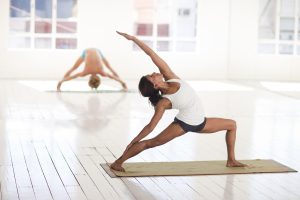
· The MVP (Minimum Viable Physique) Routine: Start small. Consistency trumps intensity every single time. Two to three 45-minute sessions per week is a fantastic launch.
· Counteract the Sit: Your fitness regimen should be the anti-sit. Focus on movements that reverse the damage.
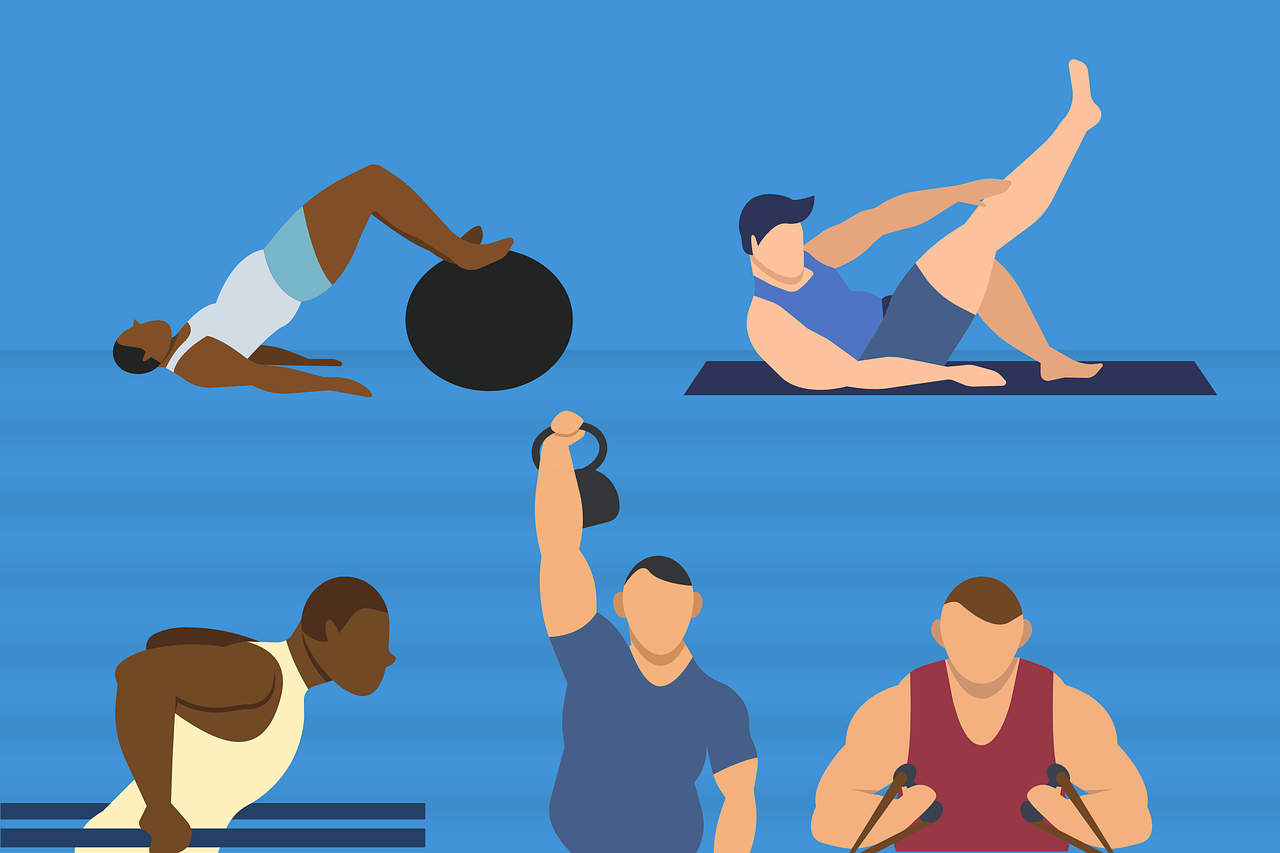
· Posture Crusaders: Rows, face pulls, and band pull-aparts. These strengthen your back and fight the shoulder-rounding.
· Awaken the Glutes: Bridges, squats, and deadlifts. These are your foundation. They remind your posterior chain it has a job to do.
· Mobilize the Hips: Lunges and deep squat holds. They’re like defragging your lower body.
· The Power of Compounding (Exercises): Just like in programming, don’t repeat yourself. Compound exercises (squats, push-ups, rows) work multiple muscle groups at once. They are the most efficient use of your time—the ultimate DRY principle for fitness.
Step 3: Implement the Code (A Sample Workout Script)
Here’s a simple, full-body routine you can run 2-3 times a week. No fancy IDE required.
“`
// Workout_Routine_v1.0
// Execute 3 sets of 8-12 reps for each exercise.
// 1. Warm-Up Sequence (5-10 mins)
// – Avoids NullPointerException in muscles
for (int i = 0; i < 10; i++) {
do.armCircles();
do.legSwings();
do.catCowStretches();
}
// 2. Main Function: Strength Training
exerciseGroup1 = [GobletSquats, PushUps(onKneesIfNeeded), BentOverRows];
exerciseGroup2 = [Lunges, OverheadPress, GluteBridges];
foreach (exercise in exerciseGroup1) {
perform(exercise);
rest(60-90s);
}
foreach (exercise in exerciseGroup2) {
perform(exercise);
rest(60-90s);
}
// 3. Cool-Down & Logging
// – Prevents memory leaks… of motivation
stretch(chest, hamstrings, hips);
console.log(“Workout completed successfully. Commit to repository.”);
“`
Step 4: Integrate Continuous Deployment
Fitness isn’t a one-time release; it’s a continuous deployment cycle.
· The Pomodoro of Movement: Set a timer for 25 minutes of coding. When it goes off, stand up. Do 10 air squats, 5 push-ups on your desk, or just walk to get a glass of water. This keeps the metabolism active and prevents stiffness.
· Walk and Debug: Stuck on a gnarly problem? Instead of angrily refreshing Stack Overflow, go for a 10-minute walk. Motion lubricates the brain. Many of our best “aha!” moments happen away from the screen.
· Hydrate or Diedrate: Keep a large water bottle on your desk. Your brain is 73% water; your code depends on it being properly hydrated.
Step 5: Handle Exceptions and Edge Cases
· “I have no time!”: You have time for 10 push-ups before your shower. You have time for a 5-minute stretch before bed. It all adds up. It’s about finding small, consistent time slots, not carving out two-hour chunks.
· “I hate the gym!”: Fantastic! Don’t go. Try bouldering, swimming, dancing, or following a YouTube yoga channel. The best workout is the one you’ll actually do.
· “I’m too tired after work.”: Exercise is an energy creator, not a drain. A short workout will almost always leave you feeling more energized and mentally clear than another hour slumped on the couch.
Conclusion: Ship It!
You are an expert at solving complex logical problems. Consider your physical well-being the most important system you will ever maintain. The goal isn’t to become a chiseled Greek god (unless that’s your stretch goal), but to ensure your body can reliably support the magnificent machine that is your mind.
So, stand up from that desk. Stretch your arms to the sky, take a deep breath, and deploy your first workout. Your future self—with better posture, more energy, and fewer aches—will thank you for the successful merge. Now, go crush some code and then crush some squats.