Let’s face it, the programmer’s lifestyle is a peculiar form of modern-day hibernation. We are creatures of the screen, fueled by caffeine and the quiet rage of a missing semicolon. Our natural habitat is a Herman Miller chair, our primary exercise is the frantic finger-dance across a mechanical keyboard, and our idea of a marathon is debugging legacy code before a deadline.
But here’s the compile-time error in our operating system: our bodies were not built for this. They are sophisticated, high-maintenance biological machines that, without proper upkeep, will eventually throw a NullPointerException. The goal isn’t to become a gym-obsessed meathead who can deadlift a server rack (though, cool if you do). The goal is to debug your physical health so your mind can keep compiling brilliant code.
So, let’s refactor your life. Here’s your pull request for a healthier you.
Chapter 1: Diagnosing the Bug – Why We’re Built Like Spaghetti Code
Before we push the fix, we need to understand the problem.
· The Sedentary Singleton: You are likely the only instance of a human in a seated position for 8-16 hours a day. This leads to tight hips, a weak posterior chain (your glutes and back), and a posture that vaguely resembles a question mark. Your body is essentially committing code style violations all day long.
· The Snack-Driven Development (SDD): Our workflow is interrupted not by meetings, but by the siren call of chips, soda, and that third cup of coffee. This leads to a energy graph that looks more volatile than a crypto market.
· The “I’ll Do It Later” Infinite Loop: “I’ll work out after I finish this feature.” Sound familiar? This loop never terminates. It’s the while(true) of procrastination.
Chapter 2: The MVP (Minimum Viable Physique) Protocol
You don’t need a complex, over-engineered solution. Start with an MVP.
1. The Stand-Up (That Isn’t a Meeting): Get up every 30-45 minutes. Seriously. Set a timer. Walk to the kitchen. Stare out a window. Do a few calf raises. This isn’t about burning calories; it’s about preventing your joints from permanently fusing into a seated position. Think of it as garbage collection for your musculoskeletal system.
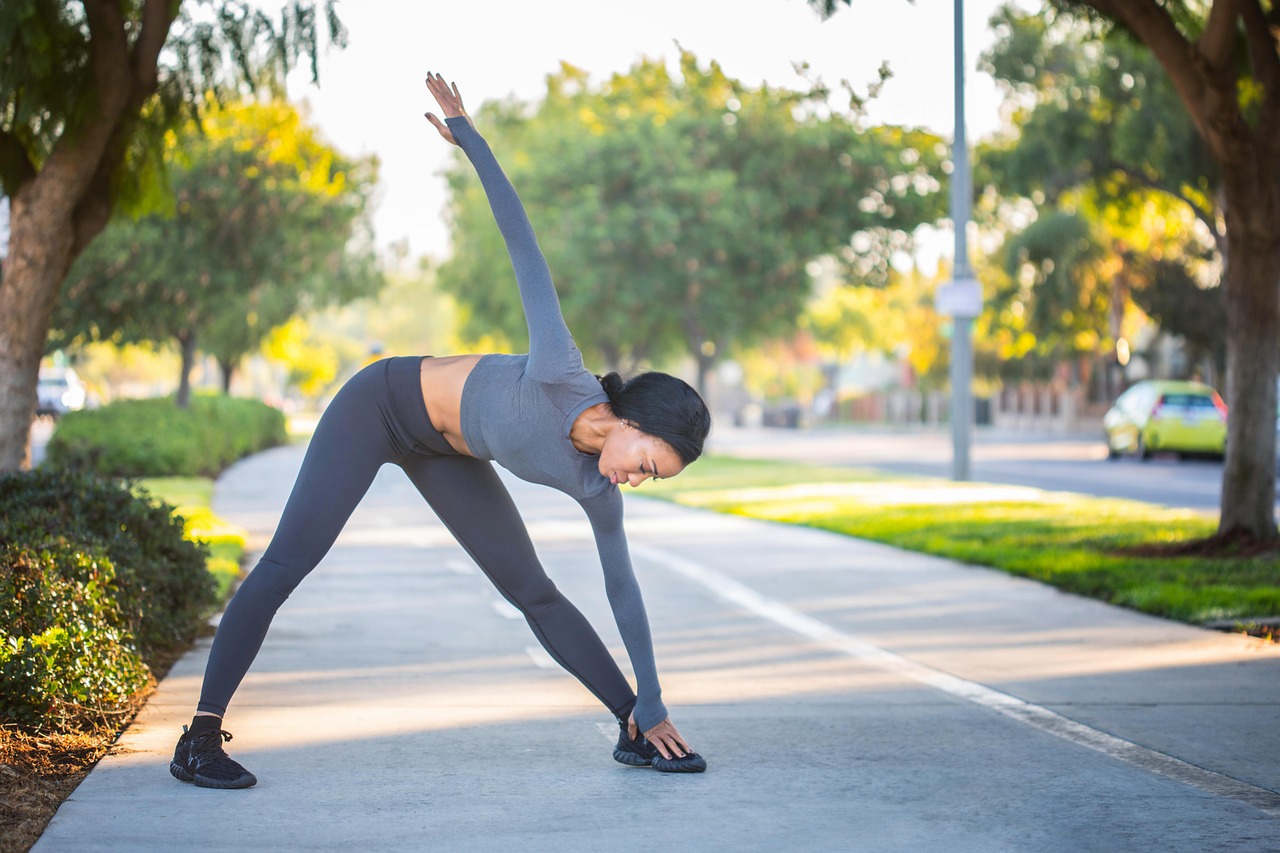
2. The Pomodoro of Power: While the classic Pomodoro Technique has you work for 25 minutes and break for 5, upgrade your breaks. Use those 5 minutes for “movement snacks.” * Minute 1-2: 10-15 bodyweight squats (reboot the glutes). * Minute 3-4: A 60-second plank (fortify the core, your body’s natural back brace). * Minute 5: Stretch your chest in a doorway to fight the “keyboard hunch.”
3. Hydrate or Diedrate: Your body is mostly water, not coffee. Keep a large water bottle on your desk. Every time you get a “build successful” notification, take a sip. If you can replace one sugary drink with water, you’ve already patched a major memory leak in your energy system.
Chapter 3: Leveling Up – Writing Your Fitness Function
Once the MVP is stable, it’s time to add some features. Your fitness function, f(x), needs to return a value of “strong, resilient, and pain-free.”
Strength Training: Compiling a Robust Core
Think of strength training as writing low-level code for your body. It’s the foundation everything else runs on.
· The Compound Movements (Your Framework): You don’t need to memorize a thousand different libraries (exercises). Focus on the core frameworks that work multiple “systems” at once.
· Squats: The main() function for your lower body. It initializes your legs, glutes, and core.
· Push-Ups (or Bench Press): Handles the “push” requests for your chest, shoulders, and triceps.
· Rows (or Bent-Over Rows): The essential “pull” API call to counteract all that forward hunching. Critical for shoulder health.
· Overhead Press: Compiles your shoulders and core into a stable, powerful unit.
· Frequency: You don’t code for 10 hours straight once a month. Don’t work out that way either. 2-3 sessions of 45-60 minutes per week is a sustainable release cycle.
Cardio: Optimizing Your Heart’s Runtime
Cardio is about improving your system’s efficiency. It clears the cache and makes sure your heart doesn’t crash under load.
· The Options:
· Walking/Light Jogging (Low-Impact Refactoring): Perfect for active recovery. Put on a podcast or an audiobook and go. It’s like running a linter on your brain.
· Cycling (Spinning Your Wheels): Great for getting your heart rate up without pounding your joints. Ideal for the desk-bound.
· High-Intensity Interval Training (HIIT) – The System Reboot: This is for when you’re short on time. 20 minutes of alternating between all-out effort (like sprinting) and rest. It’s the equivalent of a hard system reset – it’s intense, but it gets the job done fast.
Chapter 4: The Stack – Fueling the Machine
You can’t expect optimal performance if you’re running on junk data.
· Protein is Your `import` Statement: It’s essential for repairing the “micro-tears” in your muscles from lifting (which is how they grow stronger). Chicken, fish, eggs, Greek yogurt, lentils, and tofu are your key dependencies.
· Carbs are Not the Enemy, They’re Your Power Supply: Complex carbs (oats, sweet potatoes, brown rice, whole grains) provide sustained energy, unlike the volatile spike-and-crash of sugary snacks.
· Fats are for Brain Function and Hormone Production: Avocados, nuts, and olive oil keep your neural pathways optimized. You need them to solve complex algorithms, after all.
The Golden Rule: Eat like an adult. Mostly whole foods, mostly plants, with a sensible amount of protein. The 80/20 rule applies: eat well 80% of the time, and 20% of the time, you can absolutely have that pizza to celebrate a successful deployment.
Conclusion: Shipping Version 1.0
The journey from desk potato to a functional, healthy human isn’t about a dramatic, overnight rewrite. It’s about consistent, small commits.
Start with the stand-ups and the movement snacks. Add one or two strength sessions a week. Go for a walk. Drink your water.
Remember, the most efficient code is clean, simple, and sustainable. The same is true for your fitness. Stop over-engineering it. Just start. Your future self—the one without the back pain and with the energy to both code and have a life—will thank you for merging this pull request.
Now, git commit -m “Initial fitness commit” and git push yourself away from the desk. You’ve got this.